Who's Involved
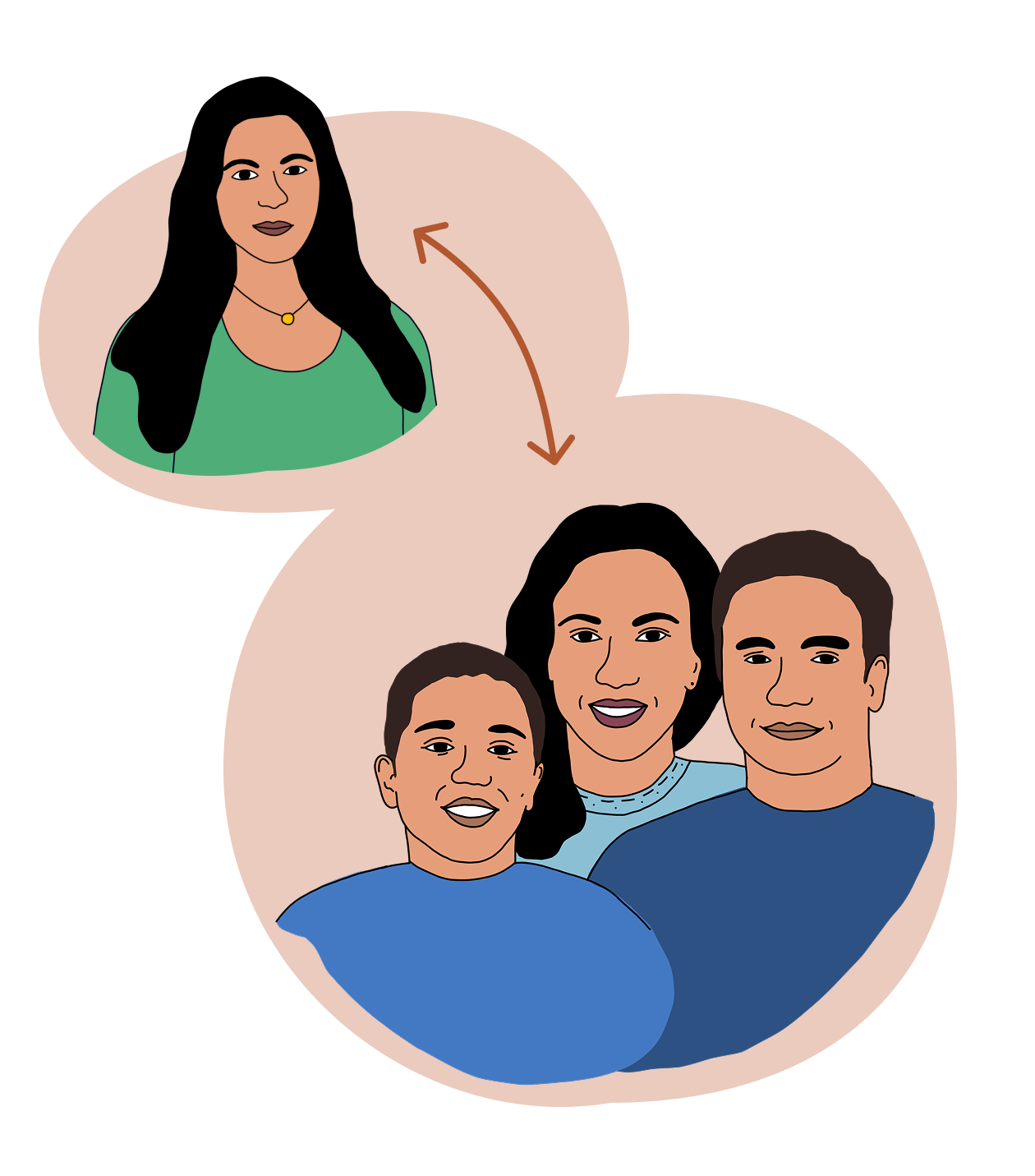
The child welfare team, including the primary child welfare worker (CWW) or in-team Economic Resource Navigator (ERN, e.g., Case Aide, Family Worker, etc.).
Tools Used
Steps Required
1. Child welfare worker or in-team ERN finds the earliest appropriate opportunity to screen for economic security needs.
- Economic security should be treated as an integral part of child welfare casework. Build opportunities to assess economic security needs into your existing workflow so they can be addressed alongside other case needs.
Assessment Opportunities for Each ACS Program
2. CWW or in-team ERN clearly explains the purpose of screening and asks if the family is interested in it.
- Child welfare cases can put people on edge. Families and young people are more willing to accept support when they feel trust and agency.
- Leverage shared identity. Families often feel more comfortable with and trusting of people from shared backgrounds—people who understand what it's like to be in their shoes. When possible, match families with staff whose stories might be familiar. And acknowledge shared experiences—or where experiences diverge—when it feels relevant and appropriate.
- Frame screening as universal. Present it as something offered to all families to reduce stigma and reinforce that these conversations are meant to support, not judge.
- Commit to protecting their privacy. Be explicit that you will not share information about their economic or concrete needs without their permission.
- Make participation voluntary. Offer explicit permission for them not to share information they're uncomfortable sharing. Explain that screening is voluntary and they can skip any questions.
- Explain why you're asking. Be clear about why questions are being asked and how the information will be used.
- Move at the speed of trust. Some families and young people will be willing to discuss any economic security needs if there's potential for support. Others will have only specific needs they wish to discuss. Screen for as many needs as they're willing to talk about. Validate their priorities and don't fixate elsewhere. The task is only to gather enough information to know if economic security support is needed. Further needs can be surfaced later as more trust is built.
- Consider saying something like:
"This is something we're trying out with the families we work with. We know that people experience challenges that can make it hard to take care of themselves or their families in the ways they want to. There are different resources and benefits we might be able to connect you to that could help address some of those challenges. For anything you identify, we can connect you with a Navigator who might be able to help. Nothing we discuss will impact your ACS case. Can I show you a worksheet to help identify needs we might be able to help with?”
3. CWW or in-team ERN conducts screening.
- Consider using the Economic Security Info Worksheet as an easy entry point, with icons and simple language that doesn't overwhelm or overpromise. It can be used before the Economic Security Screener or in parallel with it.
- Needs to screen for must include:
- Food
- Clothing
- Public benefits (SNAP, Medicaid, SSI/SSD, etc.)
- Housing
- Utilities
- Transportation
- Documents (birth certificate, social security card, etc.)
- Health insurance
- Taxes
- Education
- Employment
- Finances
- Legal support
- Other life needs
- Gather only enough information to either (A) address a need or (B) make a referral to an ERN, who will conduct a more thorough assessment.
4. CWW or in-team ERN works with the family to identify top priorities among identified economic security needs.
- Economic Security support is voluntary for families, and they should be able to prioritize the type of support they receive. Ask and focus first on what they want help with.
5. CWW or in-team ERN offers support around any economic security needs within their scope.
- Child welfare workers should address needs that are in scope for their roles. This scope varies by organization but usually includes, at a minimum, things like groceries for the current week, cleaning supplies, and clothing. Child welfare teams should consider making referrals to an ERN for more complex or sustained support.
- ACS provides funding across several child welfare programs to help families and young people access concrete goods and services that support safety, stability, and basic needs.
ACS Funding Support for Each ACS Program Type
6. CWW or in-team ERN determines if a referral is needed.
7. CWW or in-team ERN takes follow-up action depending on the need for a referral.
- A. If no referral is needed, CWW or in-team ERN confirms the family’s economic security needs at regular intervals or milestones throughout the case, unless/until they make a navigation referral. (Skip to step 9).
- B. If an internal referral is needed, CWW explains the ability to refer the family to an ERN on their team or at their organization for needs requiring different scope or expertise.
- Make sure to explain what ERNs can do, what communication to anticipate from them, and what materials to gather for a first meeting.
- Consider using the Economic Security Info Worksheet to explain the above.
- C. If an external referral is needed, CWW explains the option to refer the family to an ERN for needs beyond their scope and collects consent to share the family's information with that organization
- Consider using the Economic Security Referral Consent form.
8. CWW prepares the family for a hand-off.
- When you ask a family to share information about their economic situation, be upfront about why: this is so we can connect them to supports they may be eligible for, not to evaluate their parenting or flag them for further scrutiny. Say plainly what the information will (and won't) be used for, who can see it, and let them know that declining won't affect their case standing or their relationship with you.
- If someone seems hesitant, slow down. Nervousness here is common and reasonable, especially for families who've had negative experiences with systems before. You don't need to push. Offer to answer any questions about how the information gets used, and let them know they can decline any part of it or revisit the conversation later. The goal is a family that feels informed and in control of what they share, not pressured to participate.
9. CWW documents the economic security needs identified during screening and any support offered, in both case notes and the Economic Security Activity Reporting Form.
.png)